
Solplanet
Helping a fast-growing solar brand become more relevant, visible and connected across European markets
Solplanet was growing in Europe, with a global brand direction already in place. The challenge was to make that brand relevant to different European markets without losing consistency.
My role sat at the intersection of marketing, brand, sales, product and visual communication.
I helped translate the global brand into local campaigns, content and experiences and increase brand awareness — from digital communication and product marketing to major industry events.
The Situation —
A global brand entering a diverse European market.
When Solplanet expanded across Europe, the global brand provided a strong starting point. But applying one approach across different markets was not enough.
Local audiences had different needs, communication styles and market contexts. At the same time, marketing had to support product launches, sales conversations and major industry events with limited in-house resources.
The challenge was not simply to create more marketing.
It was to make the marketing more connected, relevant and useful to the business.
The Challenge—
A global brand. Different markets. Limited resources.
Solplanet had a strong global identity, but entering and growing across Europe required more than simply applying the same brand everywhere.
The marketing challenge was to balance three things:
- Global consistency
Keep the core brand recognisable and coherent. - Local relevance
Adapt language, messaging, visuals and communication to different European audiences. - Business impact
Make marketing activities contribute to visibility, engagement, relationships and lead generation — not just brand exposure.
Meanwhile, a small marketing team had to coordinate digital content, product communication, social media and major industry events across multiple markets.
The question became: How can we make one global brand feel local — while making every marketing touchpoint work harder?
My Role —
Connecting the business, the market and the communication.
My role went beyond creating marketing assets.
I worked between marketing, sales, product, engineering and external partners, helping translate business and technical information into communication that local audiences could understand and engage with.
I worked across four connected areas:
01 — Brand Localisation
Adapt global visuals, messaging and tone for European markets, mainly focused on Benelux and DACH markets while maintaining the core brand.


02 — Connect the campaigns
Bring social media, content, product communication and event activation together around shared marketing goals.
03 — Turn strategy into communication
Translate complex products and technical information into brochures, social content, event visuals, promotional materials and digital assets.
04 — Connect marketing with sales
Work closely with sales teams and partners to make sure communication supported real conversations with installers, distributors and customers.
This meant constantly moving between strategy and execution, business needs and creative communication.
From Challenge to Solution
Make a global brand feel local
The problem
A global identity needed to work across different European markets without becoming fragmented.What I did
Localised messaging, tone and visual communication for Benelux and DACH, adapting content for local audiences while maintaining the core brand identity.Touchpoints
LinkedIn · Instagram · Brochures · Promotional kits · Event communicationConnect marketing activities around one goal
The problem
Digital content, product communication and event activities could easily become separate marketing activities.What I did
Developed and coordinated integrated campaigns that connected social media, content and on-site activation around major industry moments such as Intersolar Europe.The result
A more connected customer journey — from seeing the brand online to encountering it at the event and engaging with the team.- Make technical products easier to understand
The problem
Solar technology can be complex, while installers and distributors need information that is quick to understand and useful in real conversations.What I did
Translated product and technical information into clear visual communication across digital content, brochures, event materials and promotional assets.The result
Communication that helped bridge the gap between technical information and customer-facing marketing. - Turn event visibility into engagement
The problem
A major trade show creates visibility, but visibility alone doesn’t create relationships or leads.What I did
Connected pre-event digital communication, on-site visual experience, promotional materials and follow-up activities to create a more consistent event journey.The result
The event became part of a broader marketing cycle rather than a standalone exhibition.
Intersolar —
Making the campaign feel like one connected experience
We built visibility and anticipation through digital communication, including social content, campaign visuals and product-related messaging.
The aim was to give people a reason to notice Solplanet before they reached the booth.
Before the event
We built visibility and anticipation through digital communication, including social content, campaign visuals and product-related messaging.
The aim was to give people a reason to notice Solplanet before they reached the booth.
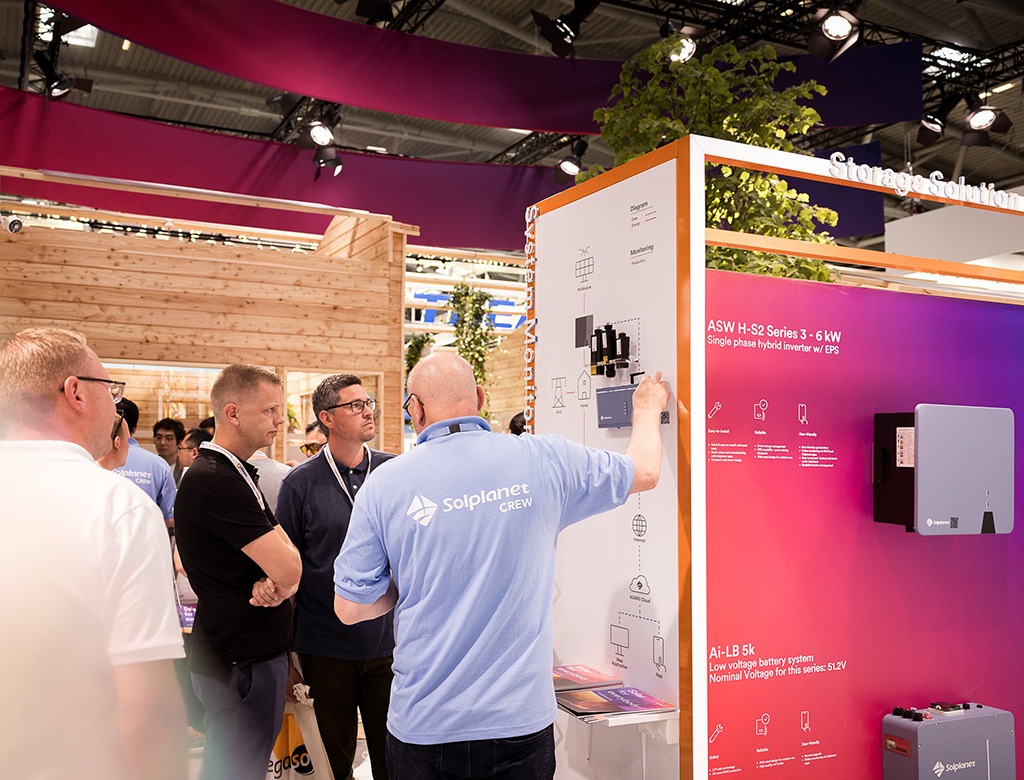
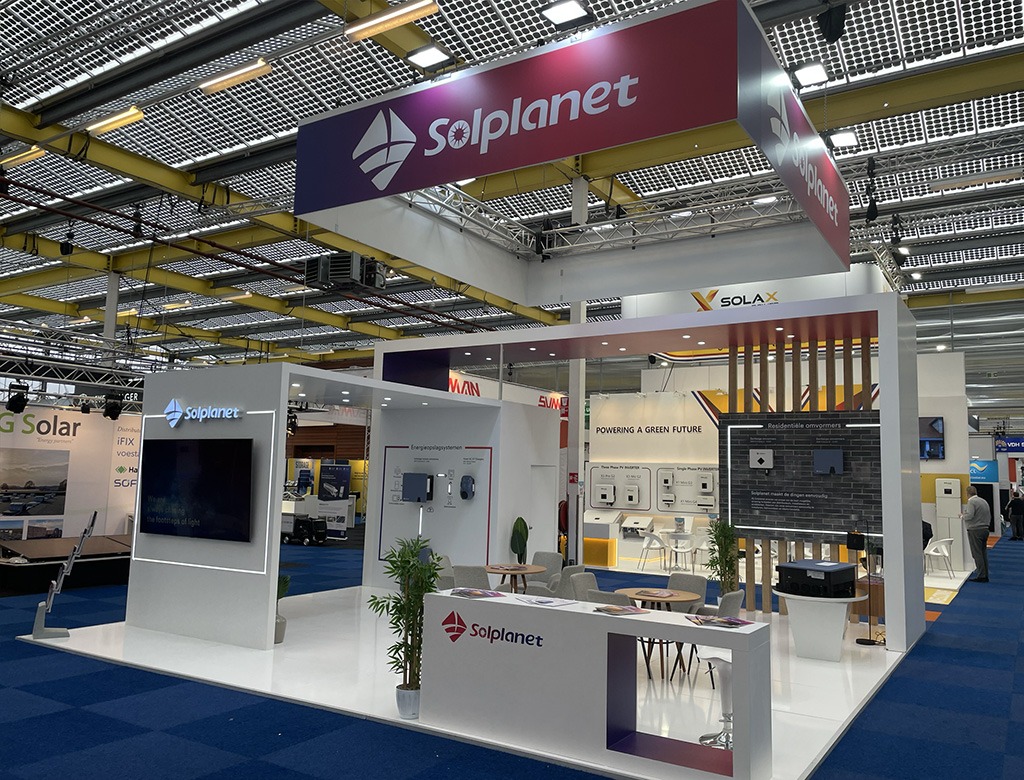
At event
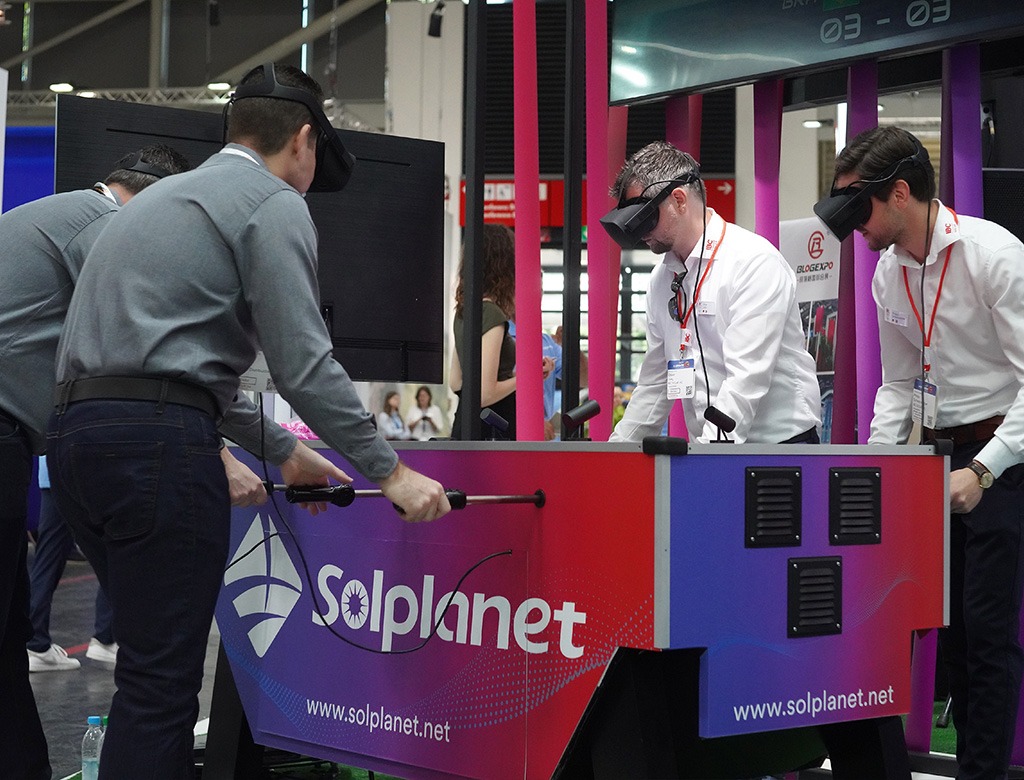
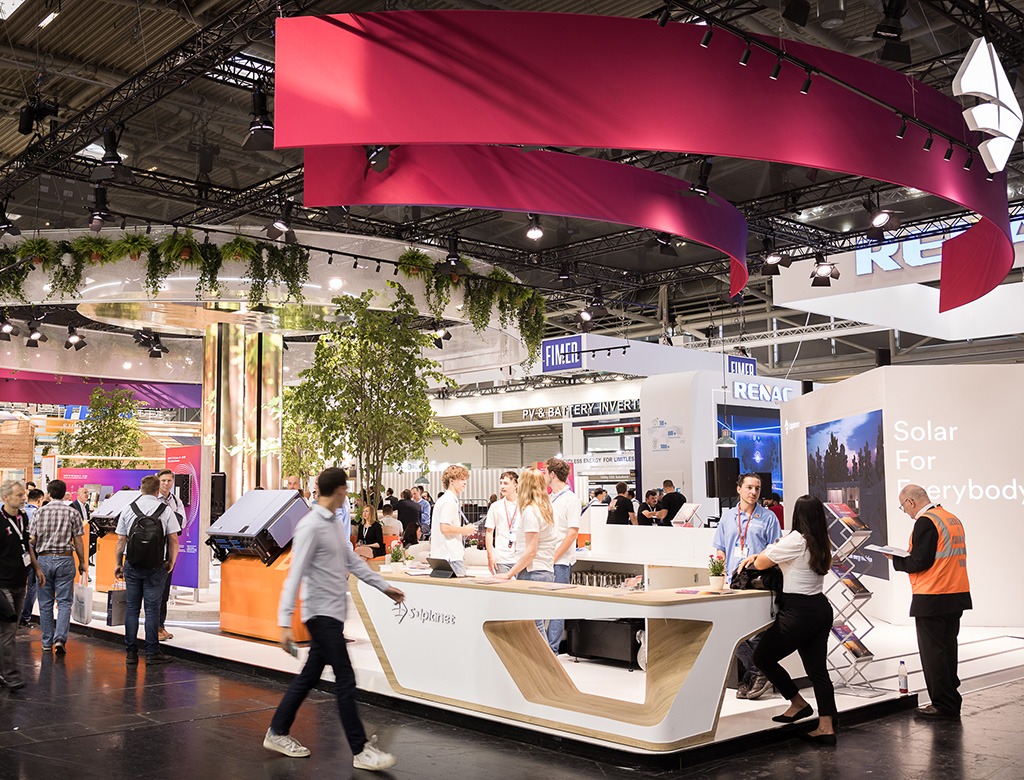
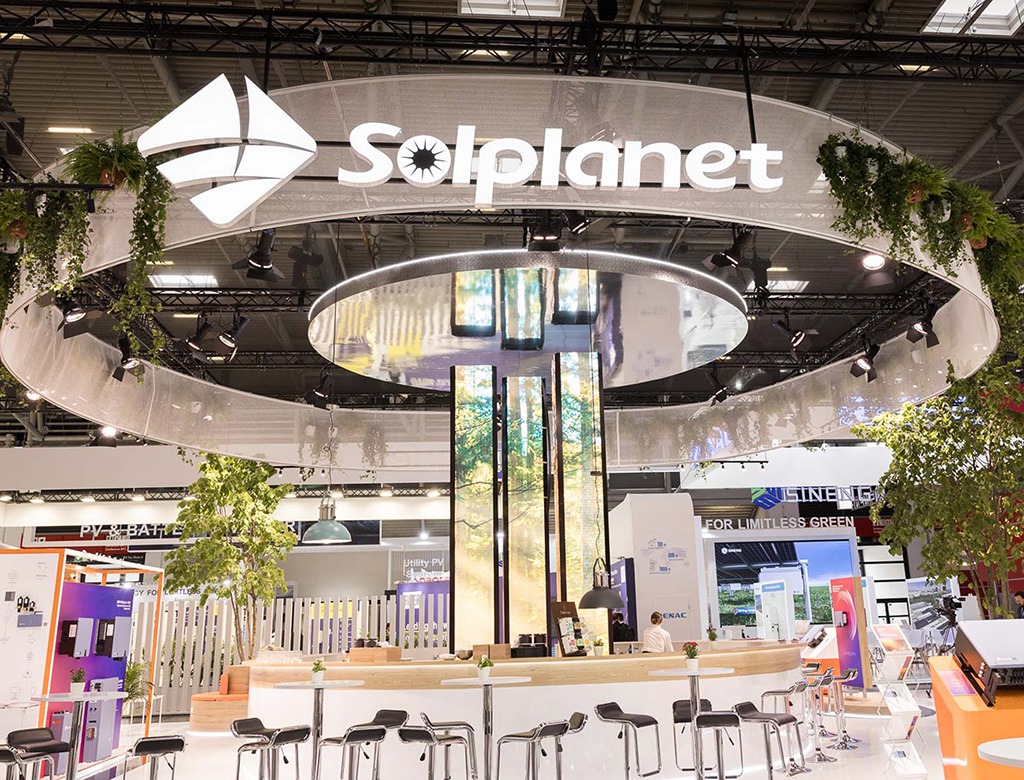
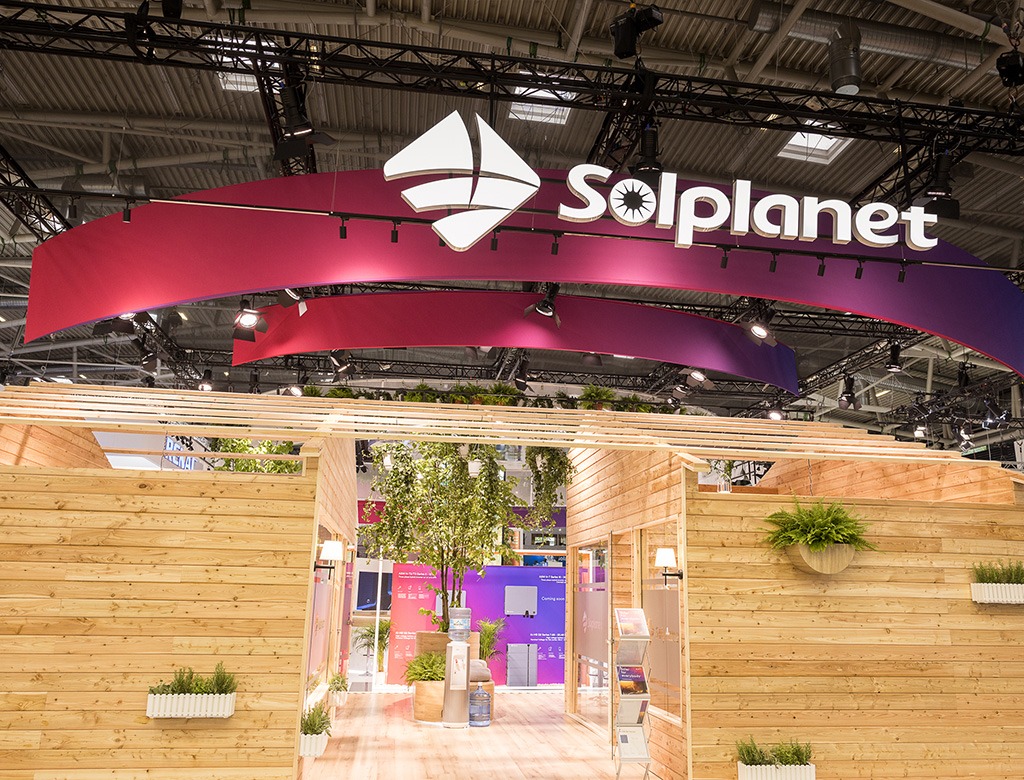
The same communication direction continued into the physical experience.
I worked on and supported the creation of:
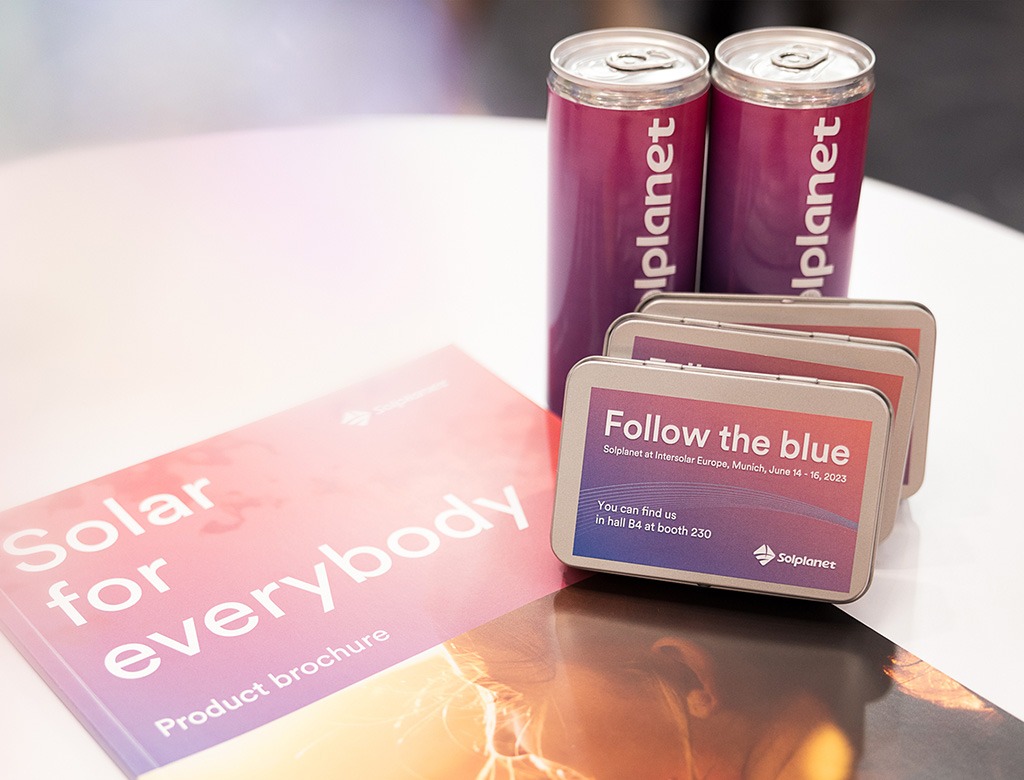
- Event visuals
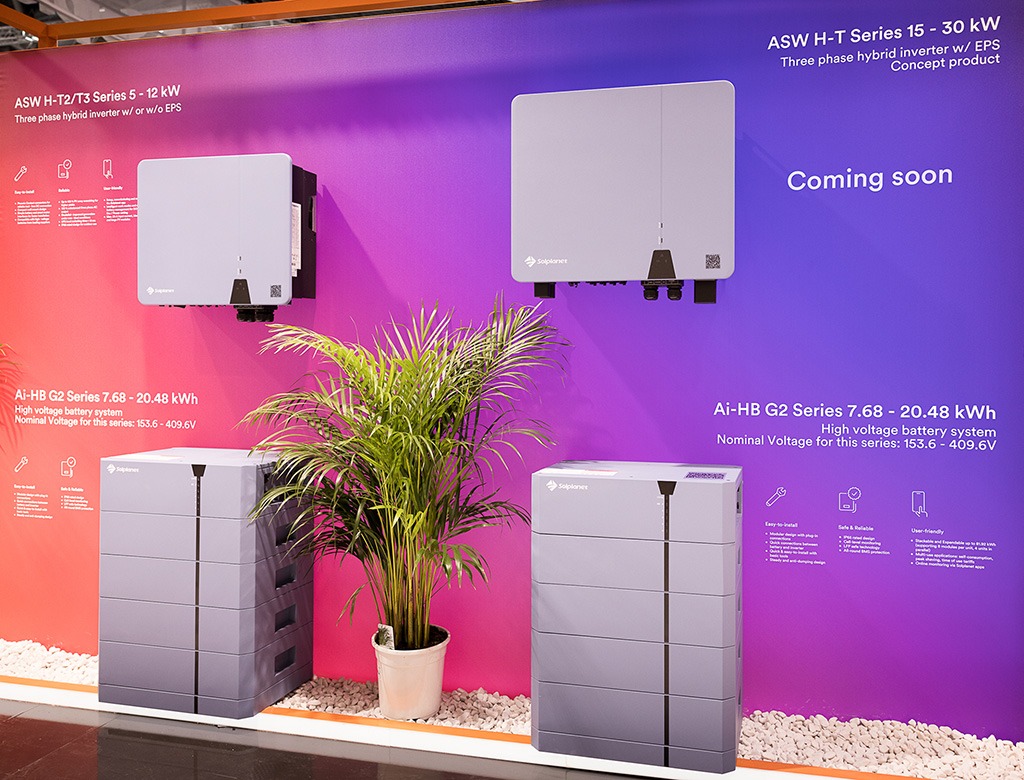
- Product communication
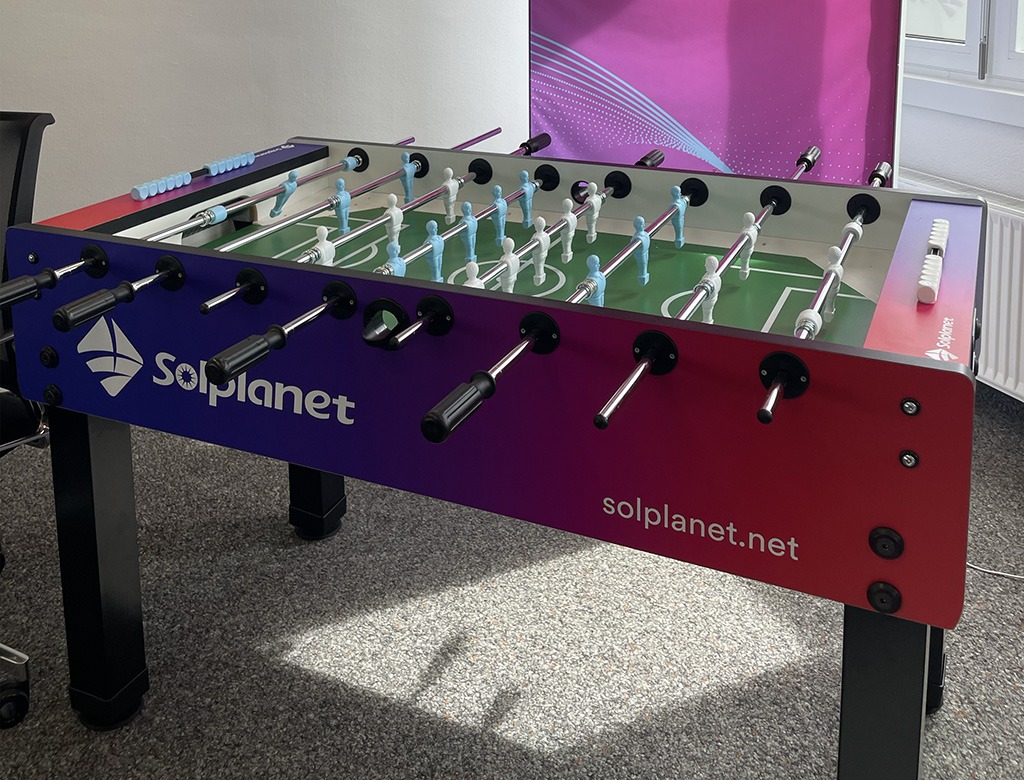
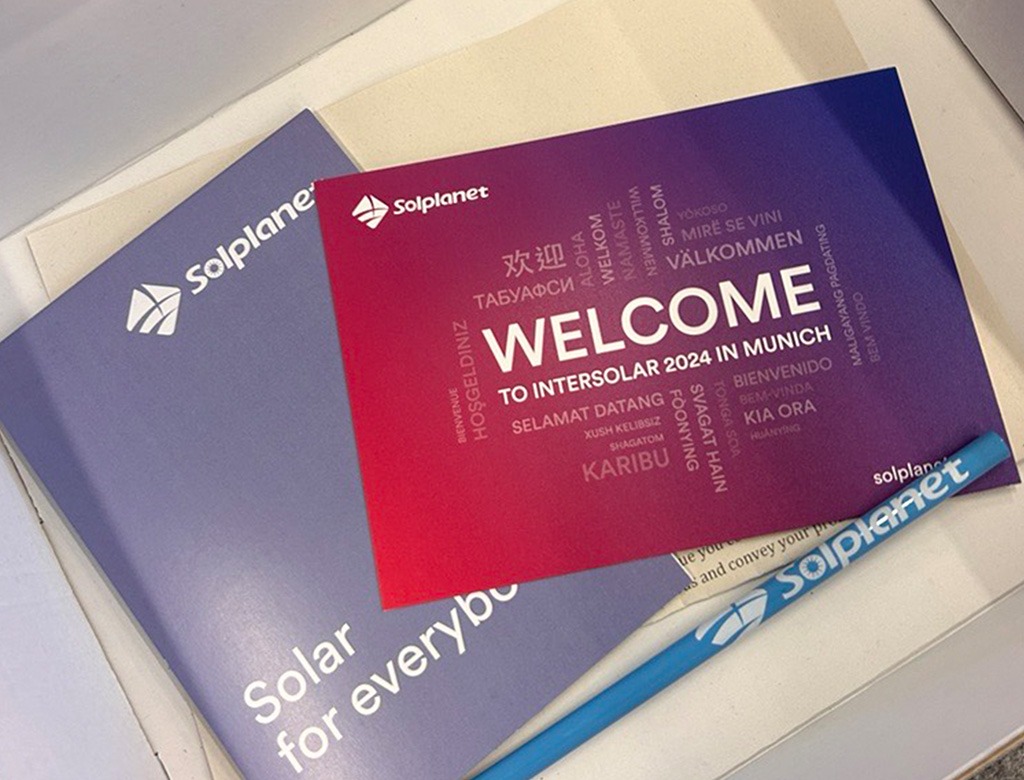
- Promotional materials
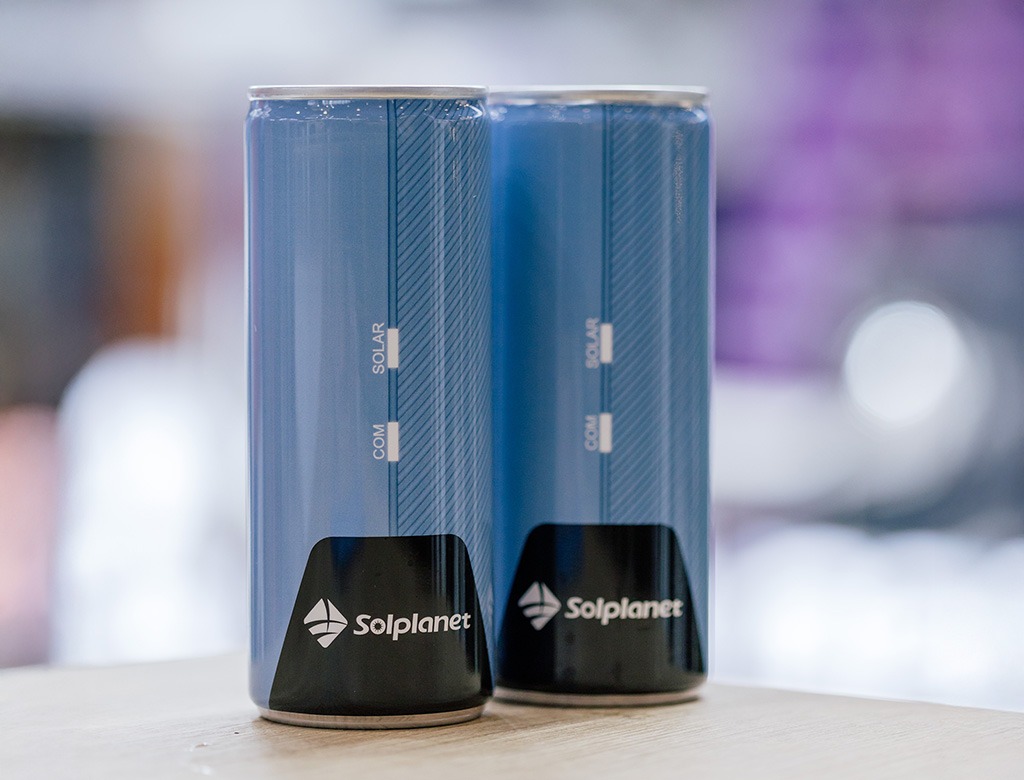
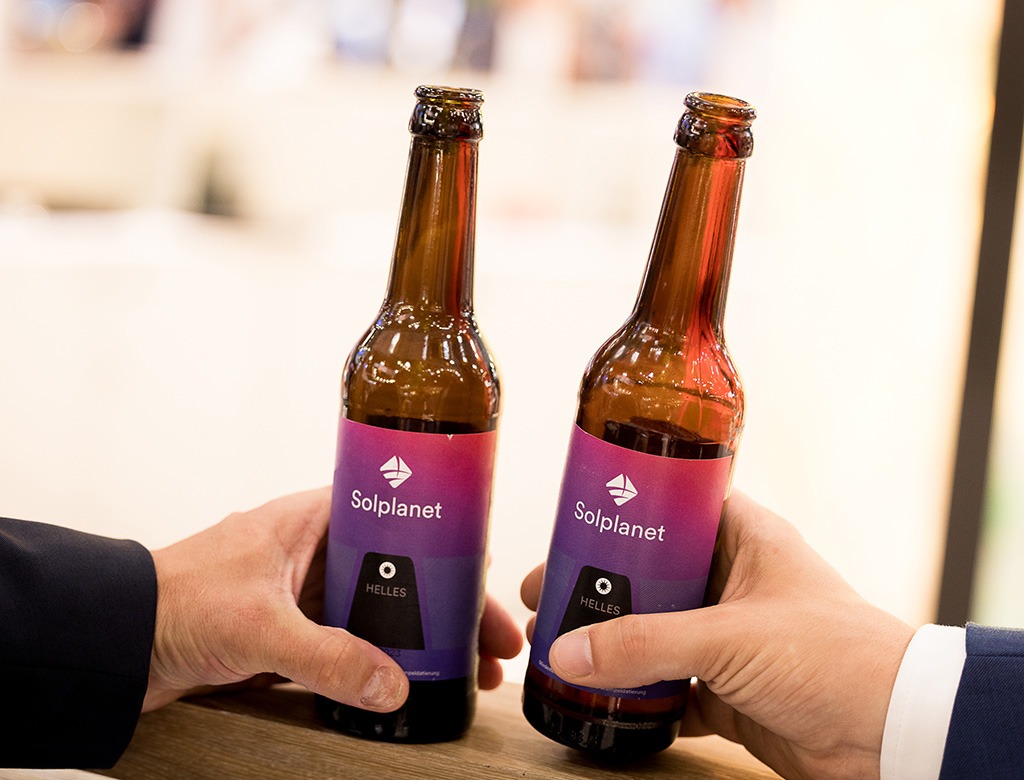
- Merchandise and promotion kits
- Social content
- On-site communication
The booth therefore became more than a physical space. It was another touchpoint in the wider campaign.
Across the experience
The important part was the connection between these touchpoints.
A visitor might first encounter Solplanet through a social post, then see the campaign at the event, discover a product at the booth and continue the conversation with the sales team.
The visual language, message and experience needed to feel connected throughout that journey.
That was the role of the campaign: to connect brand → campaign → product → people.
Connecting Teams and Touchpoints
Because the team was lean, the work often moved across different functions.
I worked with:
- Marketing
To shape campaigns, content and brand communication. - Sales
To understand customer and partner needs and support commercial conversations. - Engineering & Product
To make sure technical information was accurate and understandable. - External Partners & Suppliers
To turn concepts into finished materials and experiences.
This made my role a combination of strategic thinking, marketing execution, design and coordination.
The Impact —
- The work helped connect global brand direction with local market communication across Benelux and DACH — creating a more consistent brand presence across digital campaigns, product communication and industry events.
- +21%
Event-cycle leads over two years - 14+
Partnerships developed - Benelux + DACH
European markets supported - Digital + On-site
connected campaign experience
The result was more than a stronger visual presence. The brand had a clearer local voice, more consistent communication and marketing activities that connected visibility with engagement and business opportunities.
What I Brought to the Project —
Strategy thinking + marketing execution + visual communication
- Strategic thinking
Understanding the market, audience and business objectives before creating communication. - Marketing thinking
Connecting campaigns, content, events and channels rather than treating each activity separately. - Brand thinking
Maintaining a consistent global identity while making it relevant to local markets. - Visual communication
Turning technical information and marketing messages into clear, useful and engaging communication. - Business collaboration
Working across marketing, sales, product, engineering and external partners to move ideas from brief to execution.
This is where strategy meets making.
I don’t see the final design as the starting point. I look at the business problem first — then work out what the brand, marketing and communication need to do.
Involved —
- Brand & Marketing
Brand localisation · Marketing communication · Content · Customer communication - Campaign Foundation
Campaign planning · Messaging · Campaign direction - Campaigns & Experiences
Trade shows · Event communication · On-site experiences - Visual Communication
Digital assets · Product communication · Brochures · Event visuals
Ready to connect your brand, message and marketing?
If you're working across markets, teams or multiple communication touchpoints, let's find the right way to bring everything together.
Contact
- Email: Info@chiacreativecommunication.com
- Mobile: 31 - 616 373 970
- Based in Rotterdam
Sign up to newsletters
Unlock Creative Ideas and Insights—Sign Up Now!
© 2026 All Rights Reserved.